Assisted Living & Addiction: Trends You Didn’t Expect

Updated · Dec 19, 2025


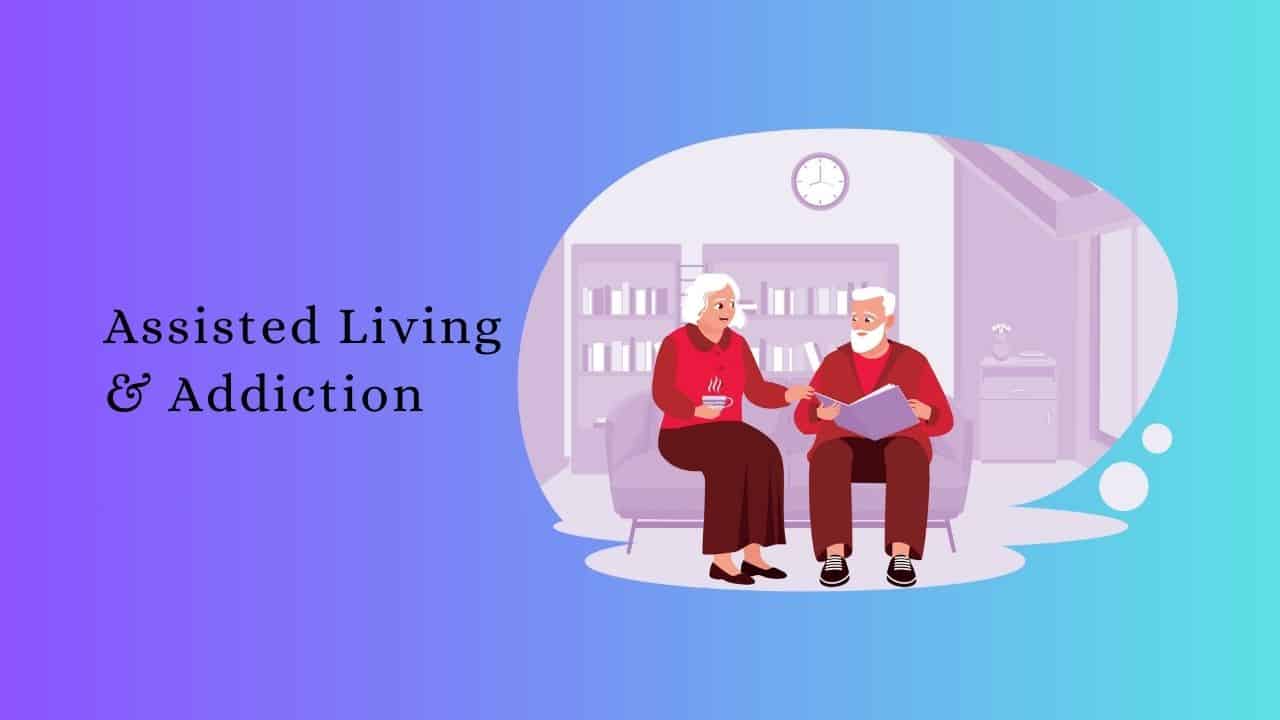
Assisted living facilities are designed to support older adults with daily tasks, safety, and quality of life. But in recent years, a new and surprising trend has emerged behind the doors of many care homes: a quiet rise in substance misuse among residents.
While addiction is often associated with younger generations, the numbers show a different and unexpected reality — addiction in assisted living is becoming more common, more complex, and far more hidden than most families or professionals realize.
This article breaks down the numbers, the risks, the causes, and how assisted living communities can respond.
Addiction in Assisted Living Is More Common Than Most People Think
Contrary to popular belief, assisted living does not eliminate addiction risk. In fact, substance misuse is rising among residents for several reasons, including pre-existing prescriptions, loneliness, chronic pain, and increased access to medications.
Current estimates show:
- 15–20% of assisted living residents struggle with some form of substance misuse.
- 1 in 4 residents uses medications with high dependency risk such as opioids, sedatives, or sleep aids.
- Alcohol misuse affects 10–15% of residents.
- Many older adults enter facilities already taking strong medications, which increases the likelihood of misuse after moving in.
These numbers make one thing very clear: addiction does not stop at the doors of an assisted living facility.
Why Addiction Often Goes Unnoticed in Assisted Living?
Assisted living communities operate differently from nursing homes. They offer support, but not clinical-level monitoring. Residents maintain a significant level of independence, and that independence can allow substance misuse to go unnoticed for long periods.
Residents Have More Independence
- Over 60% of assisted living residents self-manage their medications.
- Staff usually check only the timing of medications — not the dosage or signs of misuse.
- Unless a resident specifically requests help, many take medications unsupervised.
This creates a gap where misuse can occur quietly, especially with pills that are easy to overuse without detection.
Many Symptoms Mimic Normal Aging
One of the biggest challenges is symptom overlap:
- Fatigue
- Confusion
- Memory lapses
- Irritability
- Falls
- Poor coordination
These can all be signs of substance misuse, but they are also common age-related symptoms. As a result, up to half of addiction cases in assisted living go unnoticed or are mistaken for early dementia or medical decline.
Shame and Stigma Keep Seniors Silent
- Around 30% of seniors avoid disclosing their alcohol or medication habits because they fear being judged or losing independence.
- Some don’t want their families to worry, while others see addiction as a moral failure rather than a medical condition.
This silence makes early detection even harder.
The Substances Most Commonly Misused in Assisted Living
Addiction in assisted living is not limited to alcohol. In fact, prescription medications pose the greatest risk.
Prescription Pills
Prescription misuse is the top issue across facilities:
- Opioids: misused by an estimated 12% of residents
- Benzodiazepines & sedatives: misused by 15–18%
- Sleeping pills: regularly overused by 20–25%
Most of these medications begin as legitimate prescriptions. However, loneliness, anxiety, chronic pain, and boredom can push residents toward dependency.
Alcohol
Despite the structured environment:
- Nearly 1 in 5 residents drinks alcohol regularly.
- Over 10% show signs of problematic drinking.
- Social events like wine nights can unintentionally encourage overuse.
Many assisted living facilities allow moderate alcohol consumption, which can complicate monitoring.
Cannabis & Alternative Substances
With increased legalization:
- 5–7% of residents use cannabis, often for pain or sleep.
While cannabis itself may not be the issue, mixing it with prescription drugs can create dangerous interactions.
The Hidden Triggers Inside Assisted Living
Addiction in assisted living doesn’t happen in isolation; it is often driven by emotional, medical, and environmental factors.
Adjustment Stress
Moving into assisted living is a major life transition.
- About 40% of new residents experience loneliness, anxiety, or depression within the first year.
These emotions significantly heighten addiction risk.
Lack of Routine or Activities
Some facilities offer limited daily engagement.
- Communities with fewer enrichment programs report 25–30% higher rates of substance misuse.
- Boredom often becomes a trigger for alcohol use or medication overreliance.
Chronic Pain
- Around 70% of residents live with chronic pain.
Without proper pain management, ongoing reliance on opioids or sedatives becomes almost unavoidable.
Co-Occurring Mental Health Struggles
- 1 in 3 residents experiences anxiety or depression.
- Many are prescribed medications that carry dependency risks.
Emotional struggles combined with easy access to pills create a vulnerable environment.
The Impact: Why Addiction Hits Assisted Living Harder
Substance misuse can lead to severe health and safety risks, especially when layered over aging bodies, chronic conditions, and multiple prescriptions.
Some of the most concerning outcomes include:
- Falls increase by 40–60% when sedatives or alcohol are misused.
- Hospitalizations due to medication errors rise by 35%.
- Cognitive decline progresses twice as fast in residents who misuse substances.
- Mixing alcohol with prescriptions increases health risks by over 200%.
Because many seniors take 5–10 medications daily, even slight misuse can trigger dangerous side effects.
Staff Challenges: Why Facilities Struggle to Manage Addiction
Even well-run facilities face significant challenges in detecting or treating addiction.
Limited Training
- Only 20–25% of assisted living staff receive training on addiction in older adults.
Oversight Gaps
Assisted living prioritizes independence, not clinical supervision. Staff often:
- Don’t observe misuse
- Can’t adjust medications
- Must rely on outside doctors or family for intervention
This creates an environment where misuse can go unnoticed.
Resident Privacy Rights
Residents control their own medication use unless they’re in memory care. Privately stored medications make monitoring difficult — and legally sensitive.
What Works: Steps Assisted Living Facilities Are Taking
Thankfully, many communities are improving their approach to senior addiction.
Regular Medication Reviews
Quarterly medication audits lead to:
- 30–40% reduction in dependency-risk drugs
- Earlier detection of misuse
- Safer alternatives being prescribed
Enhanced Staff Training
Facilities investing in training see:
- 20% fewer medication errors
- 25% fewer falls
- Improved identification of risk behaviors
Stronger Social & Wellness Programs
Activities such as exercise groups, music therapy, and hobby clubs lead to:
- 30–35% reduction in loneliness
- 20% drop in sedative use
- Improved overall mood and engagement
Family Collaboration
Family involvement is one of the most effective protections:
- Misuse decreases by up to 40%
- Residents follow medication routines better
- Emotional support increases significantly
Early Warning Signs Families Should Watch For
Addiction in assisted living is subtle. Families should look for:
- Unexplained drowsiness
- Sudden bursts of energy
- Frequent falls or bruises
- Memory lapses
- Irritability or withdrawal
- Empty bottles or early refill requests
- Changes in sleep patterns
Even small shifts can signal a larger issue — and early detection is key to prevention.

I hold an MBA in Finance and Marketing, bringing a unique blend of business acumen and creative communication skills. With experience as a content in crafting statistical and research-backed content across multiple domains, including education, technology, product reviews, and company website analytics, I specialize in producing engaging, informative, and SEO-optimized content tailored to diverse audiences. My work bridges technical accuracy with compelling storytelling, helping brands educate, inform, and connect with their target markets.