Virtual Economy: Statistics and Trends of Virtual Gold in World of Warcraft

Updated · Mar 26, 2026


Table of Contents
The economy of World of Warcraft has evolved from a closed ecosystem into a complex financial model that combines virtual assets with real-world capital. This article examines statistical trends in gold turnover, the impact of inflation, and new monetization strategies from Blizzard. We will analyze how the introduction of new currencies is changing the MMORPG landscape and the behavior of millions of players in 2026.
Analysis of Inflationary Processes in Azeroth
Virtual gold in WoW has long ceased to be just a means of purchasing reagents, turning into an instrument with high volatility. According to data from analytical platforms, the average amount of gold per player in the current expansion has grown by 45% compared to previous cycles. This is due not only to increased quest rewards but also to the development of automated farming methods that flood the market with excess supply.
To maintain balance, Blizzard uses currency “sink” mechanisms, such as expensive mounts and services from in-game NPCs. However, the effectiveness of these measures is decreasing, as large players accumulate millions of gold, creating a significant gap in purchasing power between veterans and newcomers. In conditions where accumulating capital through standard methods takes hundreds of hours, many users turn to external liquidity providers, using services like Skycoach to balance their in-game capabilities.
Evolution of Monetization: From Gold to Hearthsteel
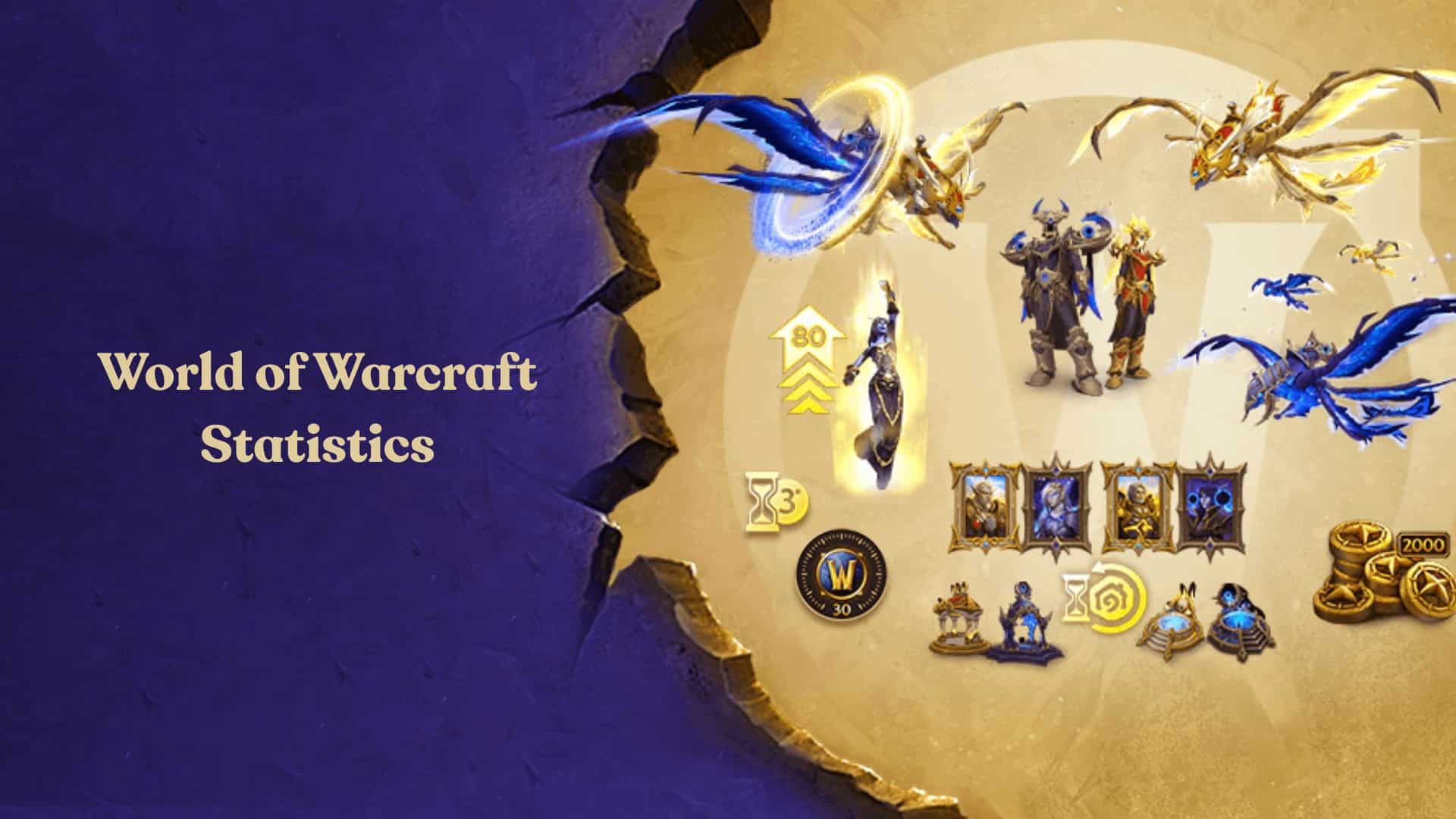
Blizzard continues to test the limits of audience patience by introducing multi-tiered payment systems. The most important trend of 2026 has been the emergence of specialized currencies tightly tied to specific game features. Recent reports confirm that World of Warcraft is getting a new kind of fake money, which will become the main tool in the long-awaited player housing system.
The introduction of Hearthsteel marks a shift from the “time for gold” model to a model of direct sales of premium content. Although developers assure that most interior items can be obtained through gameplay, the presence of an exclusive currency creates a psychological barrier and encourages additional transactions.
| Economic Indicator | Period 2023–2024 | Forecast 2025–2026 | Market Impact |
| WoW Token Price (Average) | 280,000 – 350,000 | 450,000 – 600,000 | Decrease in farming value |
| Monthly Gold Turnover | $1.2B (gold equivalent) | $1.8B (gold equivalent) | Growth of the shadow market |
| Share of Premium Currency | 5% (Tokens) | 15% (Tokens + Hearthsteel) | Revenue diversification |
| Average Player Spending | $15.00 (subscription) | $22.50 (subscription + MTX) | ARPU growth |
Analysts note that such hybrid systems (subscription + microtransactions) are becoming the standard for major publishers seeking to maximize revenue from every active user.
Market Statistics of Services and Boosting
The modern player values their time more than virtual savings, which creates demand for qualified assistance in mastering content. Statistics show that up to 30% of active subscribers have used boosting services or purchased gold outside official channels at least once.
Key drivers of growth in this segment:
- The increasing complexity of raid and dungeon mechanics requires a high level of preparation;
- The reduction of free time among the core paying audience (age 30+);
- The need for rapid adaptation to new patches and seasons.
Professional services offer guarantees of safety and speed that are impossible to obtain through direct deals with other players. This creates a parallel economy whose volume, according to some estimates, is comparable to Blizzard’s official revenue from selling expansions.
The Impact of Hearthsteel on Social Dynamics
The launch of the Player Housing system and the Hearthsteel currency will change not only the economy but also the social aspect of the game. Housing in MMORPGs has always served as a status indicator, and the introduction of paid decorative elements will make this display even more explicit. Data analysis shows that players tend to spend 40% more on customizing their space than on combat gear, since visual progress is more long-lasting.
Critics of the system point to the risk of turning WoW into a “design simulator” with aggressive monetization; however, financial indicators suggest the opposite. Demand for Hearthsteel is expected to exceed demand for store-bought mounts. Blizzard is effectively creating a second market inside the game that does not directly intersect with combat efficiency, minimizing accusations of Pay-to-Win, but increasing Pay-to-Look-Good.
While WoW Token serves as a bridge between gold and real money, Hearthsteel functions as an isolated asset. This allows Blizzard to control inflation in one sector without affecting another. For analysts, this is an interesting case of virtual market segmentation:
- Gold: an unstable asset subject to inflation and bot farming.
- WoW Token: a regulator linking demand for gold with the legal purchase of time.
- Hearthsteel: a premium asset for buying unique content without direct conversion into gold.
Given the current pace of microtransaction integration, we can expect further fragmentation of the currency system. It is possible that in the future, highly specialized tokens for PvP rewards or transmogrification will appear. Statistics from ElectroIQ confirm that players part more easily with small amounts in different currencies than with one large amount in dollars, which is a classic behavioral economics technique.
The Role of Data in Managing Virtual Worlds
Modern MMORPGs collect colossal amounts of data on every transaction, allowing publishers to react instantly to any anomalies. The use of neural networks to analyze trade logs helps identify bot networks, but the same tools are used for dynamic pricing in in-game stores. The virtual economy of WoW has become a laboratory where methods of managing consumer behavior are tested before being applied in real retail.
- Monitoring the turnover speed of goods on auction houses to prevent speculative bubbles;
- Analyzing heat maps of farmer activity to adjust resource drop rates;
- Personalized store offers based on playstyle and Hearthsteel balance.
Ultimately, the success of a virtual economy depends on a fragile balance between satisfying player needs and corporate profit motives. As long as gold remains a valuable resource and new currencies offer real value in the form of aesthetic enjoyment, the economy of Azeroth will continue to grow.
Final Thoughts
The transformation of the World of Warcraft economy in 2026 highlights the inevitability of merging virtual and real financial systems. The introduction of Hearthsteel and the growth of secondary service markets prove that in-game gold remains one of the most stable digital assets of our time. Effective management of these data flows will become the defining factor in the project’s longevity over the next decade.

Aruna Madrekar is an editor at Smartphone Thoughts, specializing in SEO and content creation. She excels at writing and editing articles that are both helpful and engaging for readers. Aruna is also skilled in creating charts and graphs to make complex information easier to understand. Her contributions help Smartphone Thoughts reach a wide audience, providing valuable insights on smartphone reviews and app-related statistics.