How To Choose the Right VPN for Your Small Business?

Updated · Apr 10, 2026


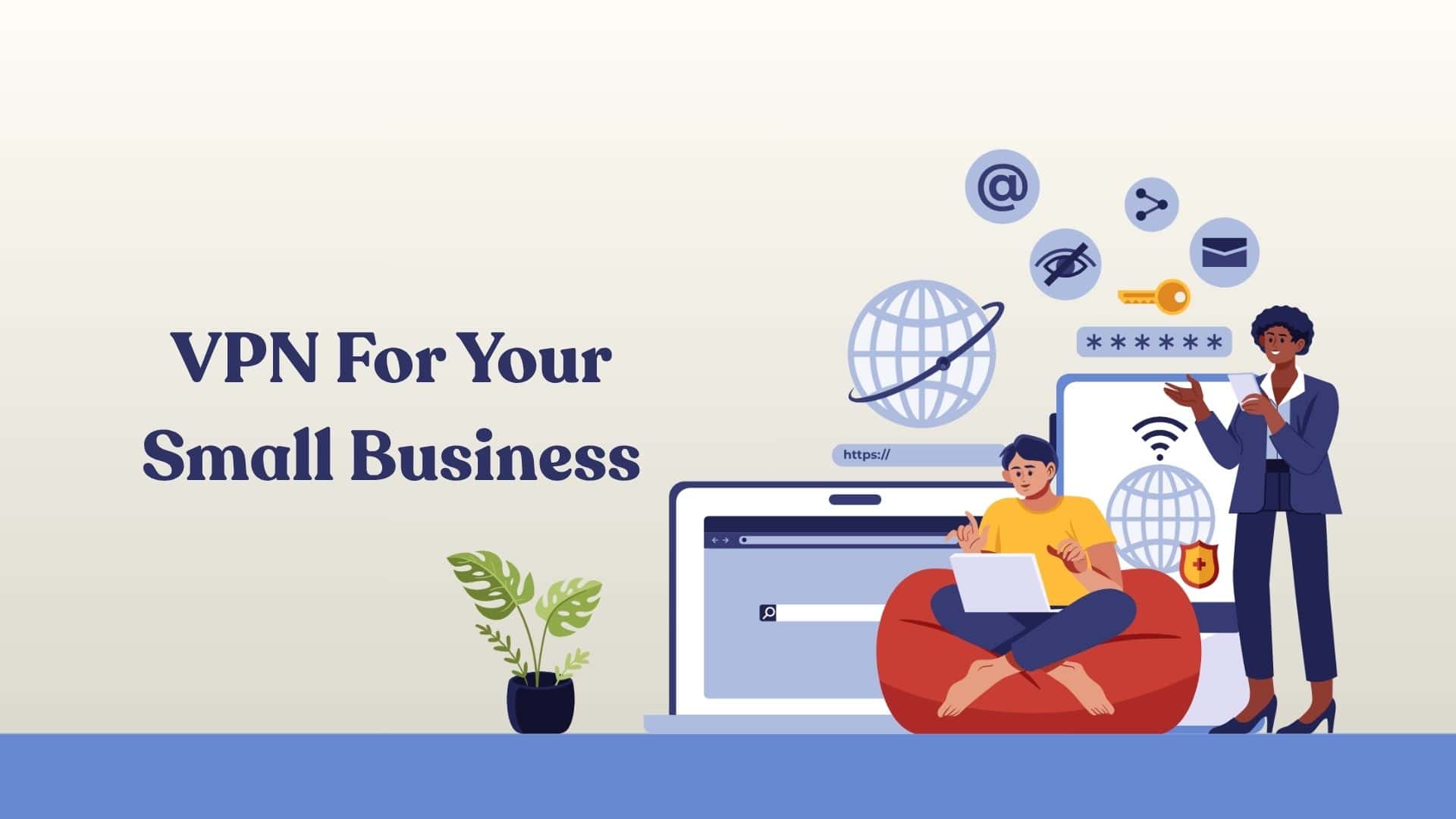
Table of Contents
If you are a small business owner, you know how important it is to protect your entity from cybercrimes. Small businesses are a hotspot for hackers because they lack appropriate cybersecurity measures. A limited budget and the lack of IT support make them more vulnerable to these crimes.
As a business owner, you must take proactive steps to ensure your organization doesn’t encounter any data breaches. One way to ensure safety is to use a Virtual Private Network when browsing the internet. The right VPN service will ensure optimal safety and security for your business. The article will explore what a VPN is and how to select the right VPN for your business.
What Is a VPN?
A VPN, or Virtual Private Network, is a software or tool that keeps your online traffic private and secure. When you switch on the VPN software on your device, you create a safe tunnel between your device and the VPN server. Upon receiving your online traffic, the server encrypts the information and forwards it to the website you are trying to reach.
A VPN for multiple devices protects the online information of several devices connected to the internet simultaneously. The software’s advantage is that it doesn’t lose its efficiency even when multiple devices are connected simultaneously. This characteristic makes it perfect for small businesses that want to protect their online data. The next vital aspect is choosing the right VPN for multiple devices.
Picking the Right Multi-Device VPN
When choosing the right VPN for your business, you must consider the four most crucial factors:
-
Speed
The VPN software you have chosen for your business should offer a fast connection. A sluggish connection is the last thing you want when you are already in a time crunch and trying hard to meet deadlines. Fortunately, determining which software will offer the best speed is easy. All you need to do is visit an internet speed test website and check the speed. First, check your internet speed independently, then connect to the VPN to see how it affects overall speed.
-
Security and Privacy
The next thing to consider is the security and privacy it offers. To do this, you must look at its logging policy. Read it to check whether it follows “no log.” Next, look at their encryption strength and other security features such as the kill switch and DNS leak protection. Your VPN tool must have all these features to ensure optimal security and privacy.
-
Connectivity
Since you are looking for a VPN for your business, you want it to accommodate a few devices simultaneously. Check its compatibility with different routers and whether they can easily support the connected devices.
-
Subscription Fee
If you ever see “free VPN” on any site, you must know that it either has a hidden fee added or collects money in another way. Every business, including your VPN provider, wants to earn money. Hence, even if the VPN is free, they will either have a slow connection or display many ads on their site to generate revenue.
Considering this, choosing a VPN with a reasonable subscription fee is best. These providers offer value for your money and ensure a seamless experience.
What Small Businesses Get Wrong When Choosing a VPN
Picking a VPN for your business is not the same as picking one for personal use. The stakes are different, the setup is different, and the mistakes are more costly. Most small business owners figure this out after the fact. Here is what to get right from the start.
You Probably Need a Business Plan, Not a Personal One
If you are using a consumer VPN plan, it is probably adequate for one person only. If you try to add other team members, you will encounter device limit errors. Without a business plan, you cannot have absolute visibility or shared admin access. Therefore, for small businesses, it is ideal to invest in a business plan that offers a centralized dashboard, features to manage users through admin, and dedicated IPs that help the system recognize every individual user. Look for a provider that has dedicated business plans, and most importantly, plans that can scale as your business operations and teams expand.
Where Your VPN Provider Is Registered Actually Matters
A lot of people skip this. If your VPN company is based in a country that is part of a data-sharing alliance, like Five Eyes or Nine Eyes, they can be legally forced to hand over user data. Their privacy policy does not protect them from a government order. If your business deals with client data, contracts, or anything sensitive, spend five minutes checking where the provider is incorporated. It is a small step that can prevent a significant problem.
Old Protocols Are a Real Risk
PPTP, which still shows up on some provider lists, is outdated and has known vulnerabilities. When you are comparing options, check which protocols are available. WireGuard is fast and modern. OpenVPN has been independently tested for years and holds up well. IKEv2 is worth having if your staff use mobile devices and switch between networks. Any provider worth considering will support at least two of these and let you choose between them.
Test the Support Before You Need It
You likely do not have an IT person on call. So when the VPN stops working on a Monday morning before something important, you are dealing with it yourself. Before committing to any provider, contact their support team with a basic question and see what happens. How long does it take? Is it a real person or a bot pointing you to an FAQ? Some providers only offer email ticketing with responses that take a day or longer. That is fine for a lot of software, but not for something your team depends on to work securely every day.
Read the Pricing Page Carefully
The monthly rate advertised on most VPN websites is per user. Run the numbers for your actual team size before you compare providers. On top of that, features like a static IP address or a dedicated server are sometimes charged separately, even though they are often essential for business use rather than optional extras. A plan that looks affordable for one person can end up being the most expensive option once you account for everyone on your team.
Sort Out How Your Team Will Actually Use It
This part gets ignored more than anything else. Without any internal guidance, staff forget to connect before accessing company systems, use personal devices without the VPN running, or share login details to avoid the hassle of separate accounts. You do not need a formal policy document. A short note covering when the VPN must be switched on, what devices it applies to, and who to contact when something is not working will close most of the gaps that come from inconsistent use.
Technology is only part of it. Getting the setup and the habits right is what actually keeps your business protected.
Conclusion
When choosing a VPN for your business, you must consider the software’s compatibility and speed. Doing so will ensure you don’t experience downtime due to a slow internet connection. Another factor to consider is the subscription fee. The price you pay must be value for money, thereby enhancing the platform’s overall cost-effectiveness. Considering all these factors, you can pick software that protects your data from all external threats.

I’m Pawan Kumar, co-founder of Elbestor.com, and an SEO expert, blogger, and digital marketer with over 7 years of experience. Since 2018, I've been helping businesses grow their online presence by crafting strategies that boost search engine rankings, create engaging content, and drive meaningful traffic. I’m passionate about making the digital world a little more accessible for businesses, whether that’s through writing helpful blog posts or optimizing websites for better visibility.