The Relationship Between Loneliness and Addiction in Seniors: What the Numbers Reveal

Updated · Dec 04, 2025

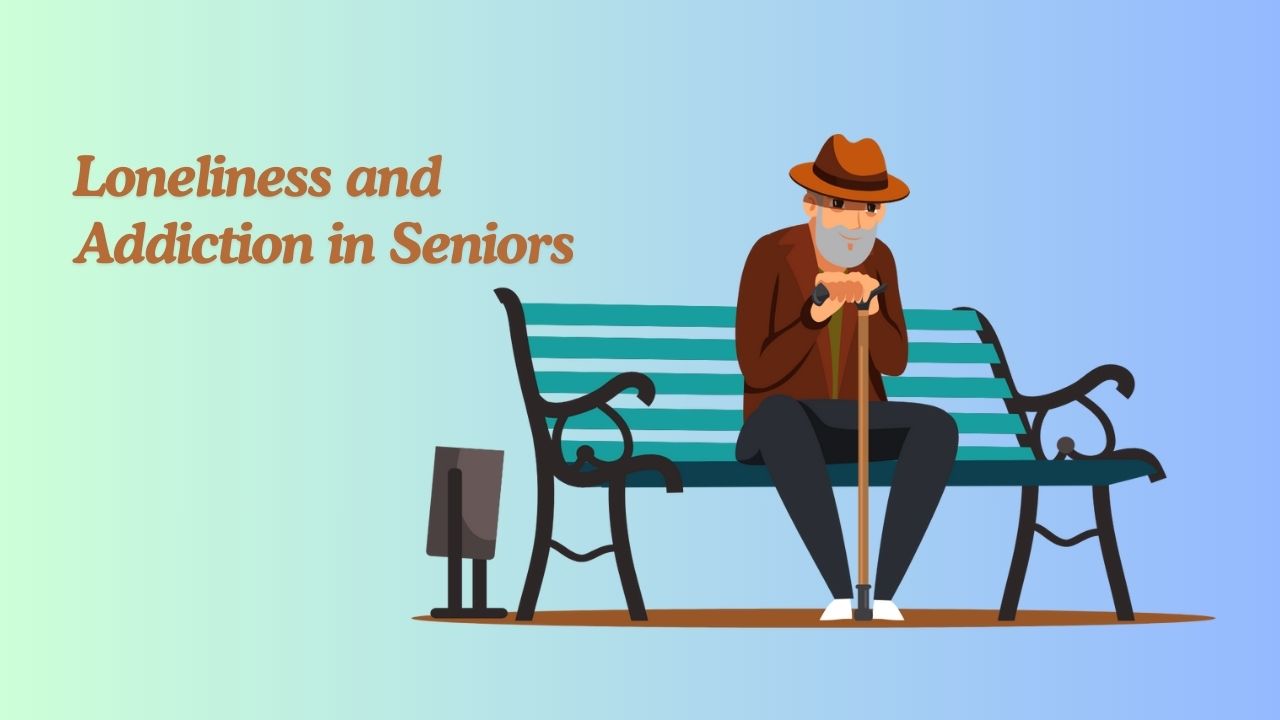
Table of Contents
- Loneliness Is Widespread Among Seniors
- Loneliness Raises the Risk of Substance Misuse
- Prescription Drug Misuse Is the Most Common Outcome
- Alcohol Use Rises with Social Isolation
- Why Loneliness Drives Addiction — The Mechanisms in Numbers
- Consequences Are More Severe in Older Adults
- What Actually Helps? Evidence-Based Interventions (in Numbers)
- Actionable Steps for Families and Caregivers
This article explores how loneliness contributes to addiction in older adults, the substances most commonly involved, the psychological and biological mechanisms behind the link, and the steps families and professionals can take to help.
Loneliness Is Widespread Among Seniors
Loneliness is not a rare or occasional experience for older adults — it is a common and consistent trend.
- About 1 in 3 seniors report feeling lonely regularly.
- Nearly 40% of adults over 65 live alone, creating natural barriers to social engagement.
- Seniors who lose a spouse face a 50–70% increase in loneliness for the first 2–3 years after bereavement.
- Retirement brings a sudden loss of daily structure, contributing to a rise in isolation for roughly 25% of newly retired adults.
When loneliness becomes chronic, the emotional strain often becomes a gateway to maladaptive coping behaviors — especially substance use.
Loneliness Raises the Risk of Substance Misuse
Multiple population studies show the same pattern across demographics: seniors who experience loneliness are significantly more likely to misuse alcohol, medications, or both.
- Lonely seniors are 2–3 times more likely to misuse substances than those with regular social interaction.
- They are 60% more likely to rely on addictive prescription medications, including opioids, sedatives, and anti-anxiety drugs.
- Older adults who report persistent loneliness are twice as likely to drink alcohol daily.
- The use of substances as a coping strategy increases sharply in the first year of significant life changes such as widowhood, decreased mobility, or major illness.
Loneliness is not just an emotional discomfort — it is a behavioural risk factor that directly increases engagement in harmful habits.
Prescription Drug Misuse Is the Most Common Outcome
Many seniors already take prescription medications for legitimate health issues, making these drugs the easiest form of misuse.
Among lonely seniors:
- 25–30% overuse or depend heavily on sleeping pills or anxiety medications.
- Nearly 20% take opioid painkillers more frequently than prescribed.
- Seniors take 4–5 medications daily on average, and loneliness significantly increases the risk of misunderstanding, mismanaging, or overusing them.
The familiarity and accessibility of these medications make them a quiet, often unnoticed escape — especially when emotional support is lacking.
Alcohol Use Rises with Social Isolation
Alcohol misuse among older adults often starts subtly and increases over time.
- Seniors who live alone are 50% more likely to drink excessively.
- After retirement, 1 in 4 seniors increases their alcohol consumption due to boredom, loss of structure, or reduced daily interaction.
- Lonely older adults are three times more likely to develop unhealthy drinking patterns, especially evening drinking and solitary drinking.
- Alcohol becomes a way to fill long, quiet hours or numb emotional pain linked to isolation.
This combination makes lonely seniors particularly vulnerable to dependency.
Why Loneliness Drives Addiction — The Mechanisms in Numbers
The connection between loneliness and addiction is both emotional and physical. Here’s how isolation creates measurable vulnerabilities:
1. Emotional Impact
- Seniors experiencing chronic loneliness have double the rates of depression and anxiety compared to socially connected peers.
- Depression significantly increases the likelihood of self-medication with sedatives or alcohol.
- Anxiety-driven medication misuse rises by over 40% when loneliness is persistent.
2. Pain & Sleep Disturbances
- Loneliness increases the perception of physical pain by up to 30%.
- It raises the likelihood of insomnia by 40–50%, leading to higher sedative use.
- Sleep disruptions are one of the strongest predictors of prescription drug misuse in adults over 65.
3. Lack of Oversight
- Seniors living alone are 4 times less likely to have someone monitoring medication use or noticing early warning signs.
- They are twice as likely to miss or skip medical appointments, allowing dependence to grow unnoticed.
This combination creates a perfect environment for addiction to develop quietly and progress rapidly.
Consequences Are More Severe in Older Adults
When seniors misuse substances, the effects are far more dangerous than in younger adults.
- Medication-related falls increase by up to 60%, especially with sedatives or alcohol.
- Hospitalizations linked to substance misuse rise by 30–40% in older adults.
- Mixing alcohol with prescription medication raises the risk of a severe drug interaction by over 200%.
- Because seniors metabolize substances more slowly, even small increases in dosage can lead to harmful, sometimes life-threatening reactions.
Addiction in seniors progresses faster and becomes dangerous more quickly due to age-related physiological changes.
What Actually Helps? Evidence-Based Interventions (in Numbers)
1. Social Engagement Programs
Programs that increase social contact — senior centres, group activities, hobby classes — consistently show measurable improvements:
- 25–35% reduction in reported loneliness
- 20% decrease in sedative and sleep medication reliance
- Improved mood and sleep in over 50% of participants
Even one consistent weekly activity significantly reduces isolation.
2. Medication Reviews
When healthcare providers routinely review a senior’s prescriptions:
- Unnecessary sedatives drop by up to 45%
- Overall medication misuse risk decreases by 30%
- Confusion about dosage or timing reduces dramatically
Regular monitoring catches dependence early.
3. Therapy & Counseling
- Cognitive Behavioral Therapy (CBT) reduces insomnia by 50% without medication.
- Depression symptoms drop by 30–40% with consistent counseling.
- Group therapy reduces social isolation in about half of participants.
Therapy provides emotional regulation tools that reduce the need for substances.
4. Family & Caregiver Involvement
Seniors with weekly contact from family or friends are:
- 40% less likely to misuse substances
- 30% more likely to take medications correctly
- Twice as likely to report improved emotional wellbeing
Human connection remains one of the strongest protective factors.
Actionable Steps for Families and Caregivers
To break the loneliness–addiction cycle:
- Check in 2–3 times weekly — phone calls, video chats, or in-person visits all help.
- Monitor medications monthly, watching for early refills or dosage changes.
- Encourage a structured routine, which reduces boredom-driven substance use by around 25%.
- Promote social activities, even simple weekly outings or community involvement.
- Watch for early signs, such as fatigue, confusion, irritability, or unsteady behavior.
Small, consistent actions create measurable improvements.

Aruna Madrekar is an editor at Smartphone Thoughts, specializing in SEO and content creation. She excels at writing and editing articles that are both helpful and engaging for readers. Aruna is also skilled in creating charts and graphs to make complex information easier to understand. Her contributions help Smartphone Thoughts reach a wide audience, providing valuable insights on smartphone reviews and app-related statistics.