From Smart Devices to Smarter Threats: How Modern Technology Is Changing Cybersecurity

Updated · May 14, 2026


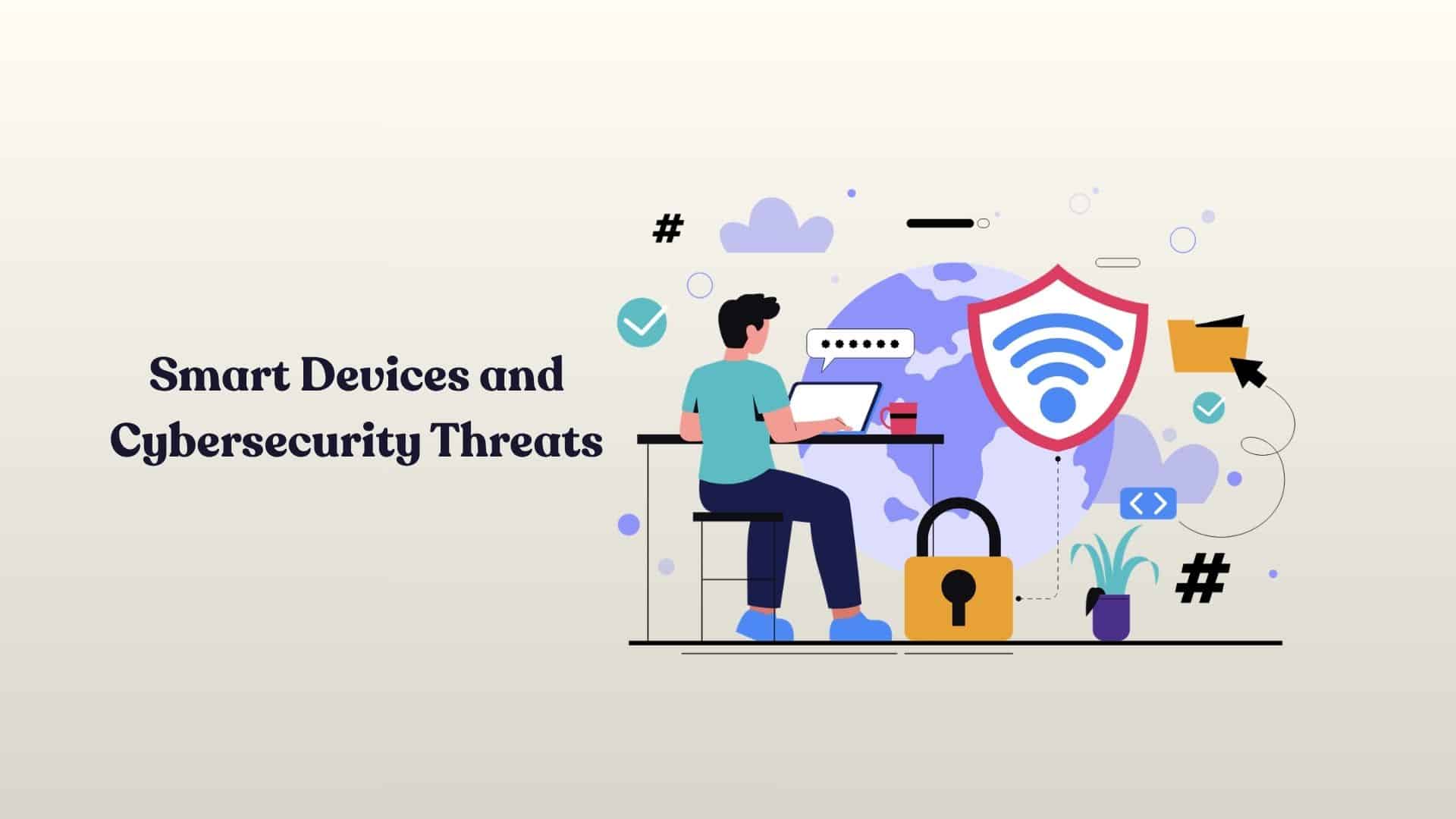
Table of Contents
The idea of security was so simple a few years ago that you locked your front door and used a strong password. Today, it isn’t. Your home thermostat, fitness watch, car, and refrigerator can now all be connected to the internet. And each new device opens a new door for hackers.
As we get faster and easier with technology, we also face threats that we can’t even imagine. In this article, we examine how modern technology is changing the landscape of cybercrime and what it means for everyday users and businesses.
The Rise of Smart Devices and Why It Matters
The Internet of Things, commonly called IoT, refers to the growing network of physical objects that connect to the internet. This includes smart TVs, baby monitors, home security cameras, medical equipment, and industrial machinery.
According to Statista, there are currently over 18 billion connected IoT devices worldwide, and that number is expected to keep climbing. The more devices we add to our networks, the more entry points we create for attackers.
Why Smart Devices Are Easy Targets
Most IoT devices often focus on features and cost, leaving security as an afterthought. Common problems are;
- Default passwords that users never change.
- Modem using outdated firmware with unpatched vulnerabilities.
- Keine or minimal data encryption.
- No automatic security updates. Please visit the Microsoft Website to check for updates.
Once an attacker gains access to one device on your network, he or she can switch devices and gain access to the most valuable piece of data, like your banking app or your business documents. The process is known as lateral movement. This is one of the primary reasons why one poorly secured smart bulb or IP camera could cost your company thousands of dollars more than you paid for it.
AI: A Tool for Both Sides
Artificial intelligence has changed cybersecurity – not always for the better. Security teams can now use AI to spot and react faster before a serious attack is launched. Criminals also use the technology, which helps them launch more convincing attacks.
AI will now be part of both the sides of the battle. AI will help defenders, but will also give attackers better tools.
How Hackers Use AI
AI attacks can do things that would take a human a long time. For example:
- Phishing emails now sound like they are from real people because AI makes them quickly.
- Deepfake audio and video are used to pretend to be leaders and trick workers into sending money.
- AI can check many systems at once for weaknesses to take advantage of.
The World Economic Forum’s Global Cybersecurity Outlook 2024 says AI attacks are a big new threat to businesses and governments.
How Defenders Use AI
Cybersecurity teams are turning to artificial intelligence (AI) in order to fight online threats. Instead of checking for every alert individually, AI can examine a lot of data quickly and find abnormal behavior that could be a sign of an attack.
AI Helps by:
- Watch millions of actions on networks, devices, and accounts at the same time.
- Faster than humans, a robot can spot suspicious behavior.
- Security is the process of blocking or isolating threats before they have the chance to spread.
- Predicting possible attack targets by looking at the past.
The security teams are already ahead as attacks get faster and more complex. Plus, cybercriminals also have access to AI tools similar to those used by security teams. It is just a race between attackers and defenders to see who can use the technology better.
Cloud Computing and the New Security Perimeter
Many businesses store data in the cloud, instead of keeping it on their own servers. Services like AWS, Google Cloud, or Microsoft Azure are flexible and can be added to as needed, but they also change how we think about security.
In the past, cybersecurity was clearly defined: what was safe inside a company’s network was safe and what was not. Cloud computing blurred the line.
What Can Go Wrong in the Cloud
Most cloud security problems come from mistakes in setup. For example, if a storage area is set to public instead of private, it can expose many records. Other common problems include:
- Weak access controls that let too many people have admin rights
- Confusion about who is responsible for security between the cloud provider and the customer
- Data moving between areas with different privacy laws
Knowing where your responsibility ends and where your cloud provider’s starts is very important for keeping your business secure.
Old Threats vs. New Threats: A Quick Comparison
To understand how much things have changed, here is a side-by-side look at how cyber threats have evolved:
| Threat Type | Old Approach | Modern Reality |
| Phishing | Obvious fake emails with spelling errors | AI-generated, highly personalized messages |
| Malware | Distributed via floppy disks or email attachments | Spread through IoT devices, cloud apps, and software supply chains |
| Data Theft | Targeting single companies or individuals | Mass breaches affecting millions through third-party vendors |
| Ransomware | Targeted individual machines | Shuts down entire hospital networks or infrastructure |
Staying Safe in a More Connected World
The good news is that you don’t have to be a tech expert to protect yourself. Resources like Cybernews provide useful information about everything from choosing the right password manager to data breaches.
Simple Steps That Make a Real Difference
Becoming better at something can improve our productivity, a friend, or even a business person. Here are some habits you should develop whether you’re a person or a business owner:
- Change the default password on every new device you buy.
- Keep all your gear and apps up to date. This includes routers and smart home gadgets.
- Turn on two-factor authentication wherever it’s available.
- Watch out for surprise messages that want you to click links or share your info.
- Back up your data often, so ransomware can’t lock you out.
None of these steps are easy. But if you combine them, they will prevent attackers from your site.
The Human Factor: Still the Weakest Link
Technology is not perfect. The most successful attacks come from human error. People click on poor links, use the same password across multiple accounts, or share information with someone who appears to be trustworthy.
A report by Verizon showed that a large number of data breaches were caused by human error. Criminals took advantage of this. No security system could stop a clever lie.
It’s why cybersecurity training is as important as security software. This is the time of year when businesses invest in training their employees to spot phishing attempts or to question unusual requests. Training employees will be able to spot things that even the most sophisticated software can’t see. They know what to look for and when to think before taking action.
Conclusion
Modern technology has really changed the way we live and work. But it has also created new threats that are faster, smarter, and harder to detect. Smart devices make us more vulnerable. AI helps criminals. Cloud computing changes what we need to protect.
The answer is to use technology with caution. Stay aware, use strong passwords, know your risks, and believe reliable sources of information. Cybersecurity is now for everyone who needs it.

Saisuman is a skilled content writer with a passion for mobile technology, law, and science. She creates featured articles for websites and newsletters and conducts thorough research for medical professionals and researchers. Fluent in five languages, Saisuman's love for reading and languages sparked her writing career. She holds a Master's degree in Business Administration with a focus on Human Resources and has experience working in a Human Resources firm. Saisuman has also worked with a French international company. In her spare time, she enjoys traveling and singing classical songs. Now at Smartphone Thoughts, Saisuman specializes in reviewing smartphones and analyzing app statistics, making complex information easy to understand for readers.