Technology and Addiction Recovery: How Telehealth Improved Outcomes Post-Pandemic

Updated · Dec 02, 2025


Table of Contents
- Telehealth Made Treatment More Accessible — Especially for Seniors
- Technology Increased Consistency — a Key Factor in Recovery
- Telehealth Helped Reduce Isolation — a Major Relapse Trigger
- Remote Monitoring Improved Safety and Outcomes
- Telehealth Made Specialized Care Easier to Access
- Hybrid Models Show the Best Outcomes
- The Technology Seniors Prefer in Recovery
- Final Thoughts
Technology quietly reshaped the world of addiction recovery—especially after the pandemic.
What began as an emergency solution has now become one of the most impactful support systems for seniors in recovery.
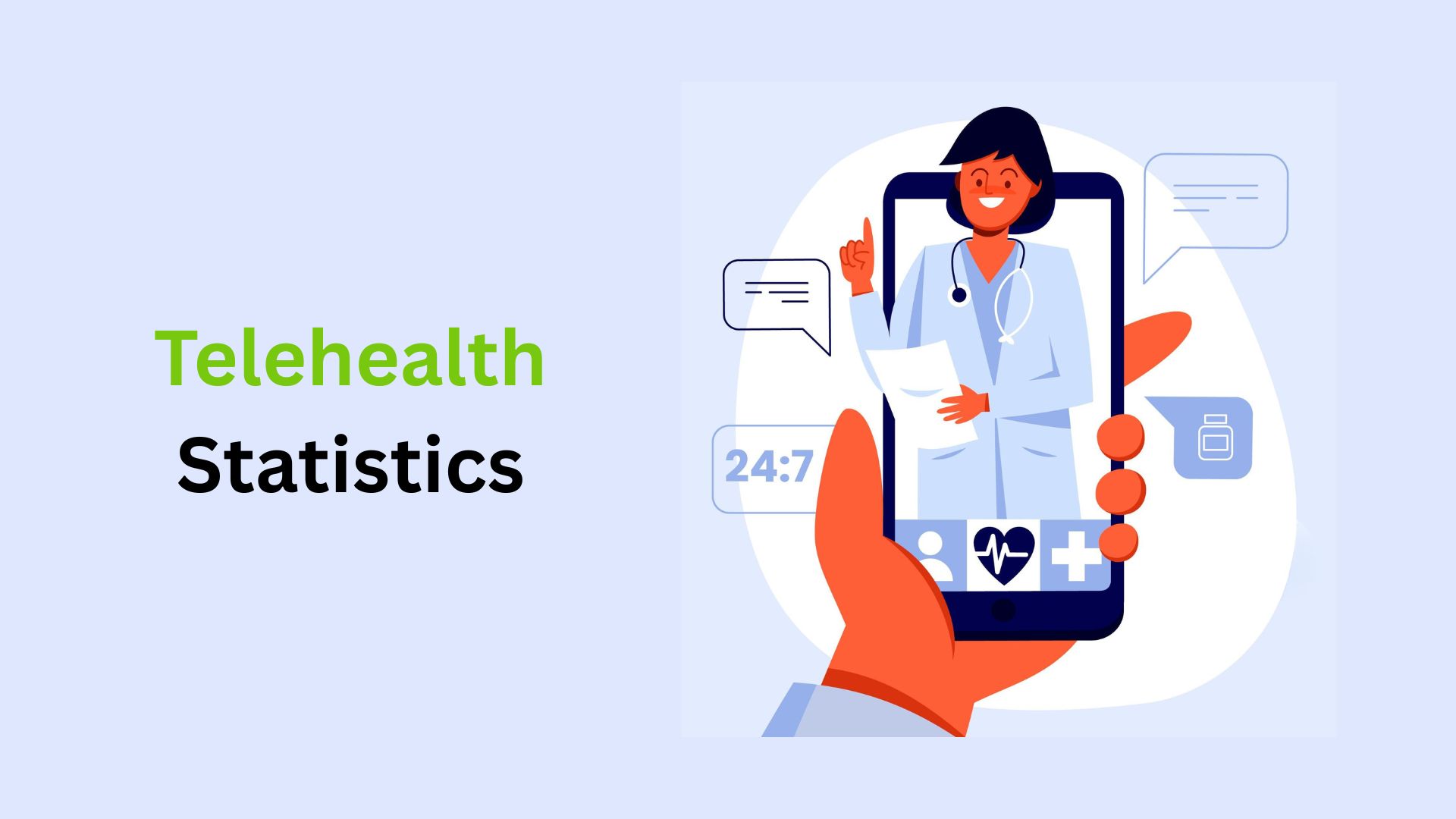
Telehealth isn’t just convenient; the numbers show it is improving outcomes, increasing access, and strengthening long-term recovery.
Telehealth Made Treatment More Accessible — Especially for Seniors
Before the pandemic, only a small percentage of addiction services tailored to seniors were offered remotely. Older adults often had to rely on others for transportation or physical support to attend sessions. After 2020, everything changed.
Key accessibility shifts include:
- Over 60% of seniors accessed at least one healthcare service online after COVID-19.
- Tele-therapy appointments increased by more than 300%, making addiction counseling dramatically easier to attend.
- Missed appointments dropped by nearly 40%, largely because seniors no longer needed transportation or mobility assistance to show up.
For seniors living with arthritis, limited mobility, heart conditions, or balance issues, simply leaving home can be a barrier. Telehealth removed that barrier entirely. Instead of planning transportation, depending on caregivers, or struggling physically to reach a clinic, older adults could now tap into recovery services from their couch, recliner, or bed.
This increase in access alone became one of the most powerful drivers of improved outcomes.
Technology Increased Consistency — a Key Factor in Recovery
Addiction treatment depends heavily on consistency. When individuals attend counseling regularly, check in frequently, and follow a structured plan, their likelihood of maintaining sobriety rises significantly.
Telehealth strengthened consistency in several measurable ways:
- Seniors became 2× more likely to complete a full counseling cycle when sessions were virtual.
- Daily or weekly check-ins increased by up to 50%, thanks to the convenience of home-based telehealth.
- Medication-assisted treatment adherence improved by 25–30%, supported by digital reminders and virtual monitoring.
Before telehealth, seniors often missed appointments due to illness flare-ups, joint pain, weather conditions, or transportation limitations. Now, even on low-energy days, they could still attend a session with a single click.
That stability is crucial. The more predictable the treatment routine, the more predictable the recovery outcome.
Telehealth Helped Reduce Isolation — a Major Relapse Trigger
Loneliness is one of the strongest predictors of addiction and relapse in seniors. The pandemic magnified social isolation, but technology provided unexpected relief.
Technology-based connection produced measurable results:
- Virtual support groups grew by over 400% during and after the pandemic.
- Seniors who attended online groups weekly experienced 30–35% fewer cravings.
- Peer-support platforms helped lower self-reported loneliness scores by up to 25%.
Many older adults found comfort in online AA meetings, Zoom therapy circles, and group chats with peers going through the same challenges. Even simple tools — WhatsApp, FaceTime, Facebook video — helped seniors maintain the social connection needed to stay anchored during recovery.
For seniors who lived alone or who had lost spouses or friends, these virtual touchpoints often became emotional lifelines.
Remote Monitoring Improved Safety and Outcomes
Telehealth didn’t just support seniors emotionally — it improved medical outcomes as well. Virtual systems allowed clinicians to monitor symptoms and intervene earlier when necessary.
Seniors benefited in several key ways:
- Doctors increased follow-up frequency by 45% thanks to virtual appointments.
- Remote symptom tracking reduced emergency relapse incidents by around 20%.
- Wearable devices tracked sleep quality, heart rate, stress, and withdrawal indicators, leading to quicker intervention.
For seniors managing detox, medications, or chronic conditions like diabetes or heart disease, remote monitoring provided an added layer of safety. A simple wearable wristband or daily check-in could reveal signs of relapse risk long before they became a medical crisis.
This type of consistent oversight was nearly impossible before telehealth became mainstream.
Telehealth Made Specialized Care Easier to Access
Many seniors live far from addiction specialists, especially those in rural or underserved areas. Traveling long distances for counseling or treatment was often unrealistic.
Technology changed this completely:
- Over 55% of seniors who used telehealth connected with specialists they couldn’t reach locally.
- Rural seniors became 3–4× more likely to receive behavioral health support after services moved online.
This shift helped equalize treatment opportunities that had been uneven for decades. Even seniors in remote towns could now consult addiction psychiatrists, trauma counselors, or medication-assisted treatment providers who previously were out of reach.
Hybrid Models Show the Best Outcomes
While fully virtual care works well for many, combining in-person support with remote sessions produces the strongest recovery results for seniors.
Data shows:
- Hybrid care increases long-term recovery rates by 20–35%.
- Dropout rates fall by nearly 50%.
- Caregiver involvement rises by 30% when telehealth options are available.
Hybrid care benefits seniors for several reasons:
- They receive face-to-face evaluation when needed.
- They maintain easier virtual connections between appointments.
- Family members can join online meetings even if they live far away.
- Seniors avoid burnout by not having to travel for every session.
The future of senior addiction recovery is not entirely online or entirely in person — it’s a balance of both.
The Technology Seniors Prefer in Recovery
One of the most surprising findings is that seniors adapted to telehealth far better than expected. Even those with minimal tech experience quickly learned to use simple tools to support their recovery.
Their preferences reveal an important truth: telehealth works because it meets seniors where they are.
- 70% of seniors prefer phone-based sessions to video, finding them more comfortable and less intimidating.
- Text-based reminders improved appointment attendance by 25%.
- Nearly 40% said virtual group meetings felt “more comfortable” than in-person gatherings.
Instead of relying on complicated apps, the most successful telehealth programs used simple platforms — phones, Zoom, WhatsApp, or basic video calls. The goal was accessibility, not complexity.
Final Thoughts
Telehealth didn’t just bridge a gap during the pandemic — it reshaped addiction recovery for seniors in powerful, lasting ways. The data shows clear improvements in:
- Treatment accessibility
- Session consistency
- Emotional support
- Medical monitoring
- Specialist availability
- Long-term recovery outcomes
For older adults who struggle with mobility issues, chronic health conditions, or isolation, technology has become one of the most effective tools available. Telehealth has quietly boosted success rates, reduced relapse triggers, and allowed thousands of seniors to engage in recovery without leaving home.

Pramod Pawar brings over a decade of SEO expertise to his role as the co-founder of 11Press and Prudour Market Research firm. A B.E. IT graduate from Shivaji University, Pramod has honed his skills in analyzing and writing about statistics pertinent to technology and science. His deep understanding of digital strategies enhances the impactful insights he provides through his work. Outside of his professional endeavors, Pramod enjoys playing cricket and delving into books across various genres, enriching his knowledge and staying inspired. His diverse experiences and interests fuel his innovative approach to statistical research and content creation.